


It’s 11:45am. Somewhere in the camp gymnasium, a plastic container of yogurt has been sitting at room temperature since drop-off at 8:15. Next to it: a sandwich with deli meat, packed with an ice pack that stopped being cold somewhere around 10am. The temperature outside is 29 degrees.
This is not a horror story. This is Tuesday at most day camps across Canada.
Food safety at summer camp is one of those topics that everybody vaguely worries about and nobody wants to bring up directly, because the moment you start talking about it, you realize how much risk is just baked into the status quo. So most camps don’t bring it up. Parents don’t bring it up. And every summer, kids eat lunches that have been sitting in a warm bag for three to four hours and nothing terrible happens — until it does.
How Fast Food Actually Spoils
Health Canada’s food safety guidelines are pretty clear: perishable food shouldn’t be left in the “danger zone” (4°C to 60°C) for more than two hours. In that temperature range, bacteria like salmonella and listeria can double in number every 20 minutes.
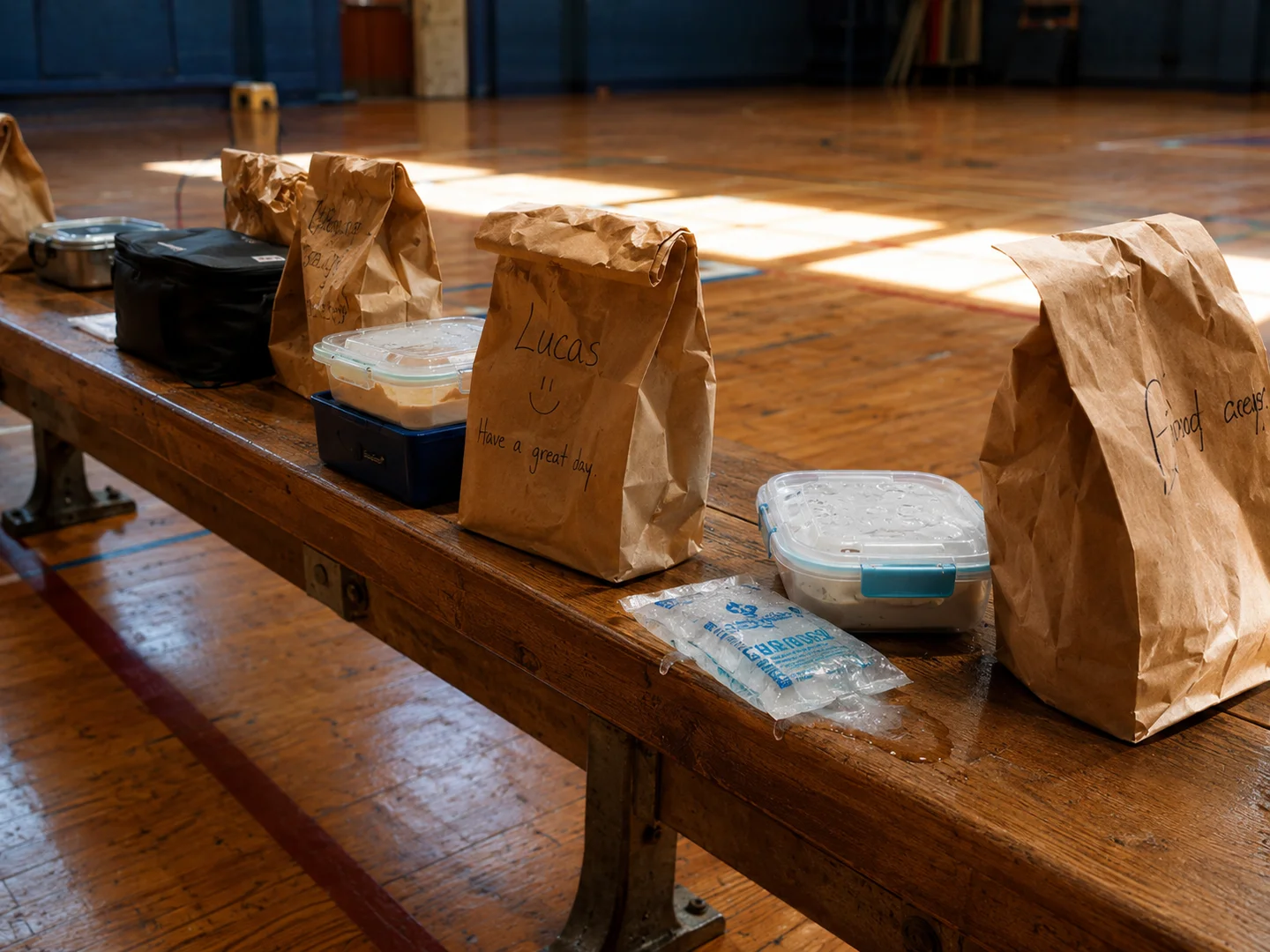
At a summer camp, a lunch packed at 7:30am and eaten at noon has been at room temperature for four and a half hours. That’s more than double the safe window, and that’s assuming it started cold. If the ice pack was already partially thawed, or the bag sat in direct sunlight in the car on the way to camp, the clock started even earlier.
The foods most commonly packed in kids’ lunches — deli meats, hard-boiled eggs, dairy products, mayonnaise-based spreads — are exactly the foods most vulnerable to bacterial growth. The ones that seem fine but aren’t.
The Camp Director’s Impossible Position
Here’s the thing: camp directors can’t solve this problem by being more careful. They can remind parents to use insulated bags and ice packs. They can store lunches in the coolest available room. But they can’t control what parents pack, how it was stored before drop-off, or how long the insulation actually holds at 30 degrees.
And if a child gets sick — really sick, not just “my stomach hurts” sick — the conversation about what they ate at camp is not a comfortable one. Even if the camp followed every reasonable protocol, “we told parents to pack with ice packs” is not a satisfying answer for a parent in a walk-in clinic.
The only way to actually eliminate the self-packed lunch food safety problem is to not have self-packed lunches. Which is where a catered, same-day-delivered meal program changes the equation entirely.
Fresh Delivery vs. Morning Pack
When meals are prepared the morning of delivery and arrive at camp during the late morning window, the food has spent almost no time in the danger zone. It arrives hot or properly refrigerated, gets distributed within the hour, and is eaten fresh. There’s no four-hour window. There’s no mystery about what was in the bag or how long it sat in the car.
For camp directors, this is a meaningful liability reduction — one that pairs well with a proper allergy management system to cover the two biggest food-related risks at camp — one they can also communicate clearly to families. “We offer a daily fresh lunch program” means something different when families understand what the alternative actually involves.
LunchUp works with licensed local restaurants and vendors who prepare meals fresh each morning for delivery. For the full picture of how meal logistics work at a day camp, see our operational guide for camp directors. Every order is individually packed and labeled with the camper’s name. Because meals arrive sorted by group, distribution is fast — which also means less time between arrival and eating, which matters.
A Conversation Worth Having With Parents
Most parents haven’t thought through the food safety math. They’re not negligent — they just haven’t had a reason to think about it. A camp that explains this directly, and offers a solution, earns a different kind of trust than one that just says “please pack with an ice pack.”
It’s also worth noting that for parents who don’t have time to pack a proper lunch — and many don’t, especially working parents managing a 7am camp drop-off — a packed lunch that isn’t thoughtfully put together is a food safety risk that a catered option eliminates entirely. The camp isn’t just solving a logistics problem. It’s solving a health one.
Running a summer program means thinking about a lot of things parents don’t see. Food safety is one of them. It’s worth talking about.
Ready to Transform Your School's Lunch Program?
Join thousands of schools already using LunchUp to provide healthy, convenient meals for their students.