


Introduction
For many local restaurants, partnering with schools can be a meaningful way to support the community while building a steady, predictable revenue stream. School lunch programs offer vendors the opportunity to reach families, increase weekday volume, and operate on recurring schedules.
However, working with schools is different from traditional catering or retail food service. Understanding expectations, requirements, and workflows upfront helps restaurants decide whether school partnerships are the right fit - and how to succeed once onboard.
1. How School Lunch Partnerships Work
When restaurants partner with schools, they typically provide meals on scheduled lunch days as part of a school-organized program. Orders are placed in advance by families, coordinated through the school or a digital lunch platform, and delivered in bulk to the school.
Unlike one-time catering events, school lunch programs are recurring and structured. This predictability helps vendors plan staffing, purchasing, and prep more efficiently - while schools benefit from reliable service.
2. Food Safety, Allergies, and Compliance
Schools prioritize student safety above all else. Restaurants should be prepared to meet requirements related to:
Allergy awareness (especially nut-free environments)
Ingredient transparency
Proper labeling
Consistent portioning
Many schools also prefer vendors who can clearly communicate ingredients and accommodate dietary needs. Being proactive about food safety builds trust with schools and parents and strengthens long-term partnerships.
3. Operational Planning and Logistics
School lunch partnerships work best when restaurants plan ahead. Important considerations include:
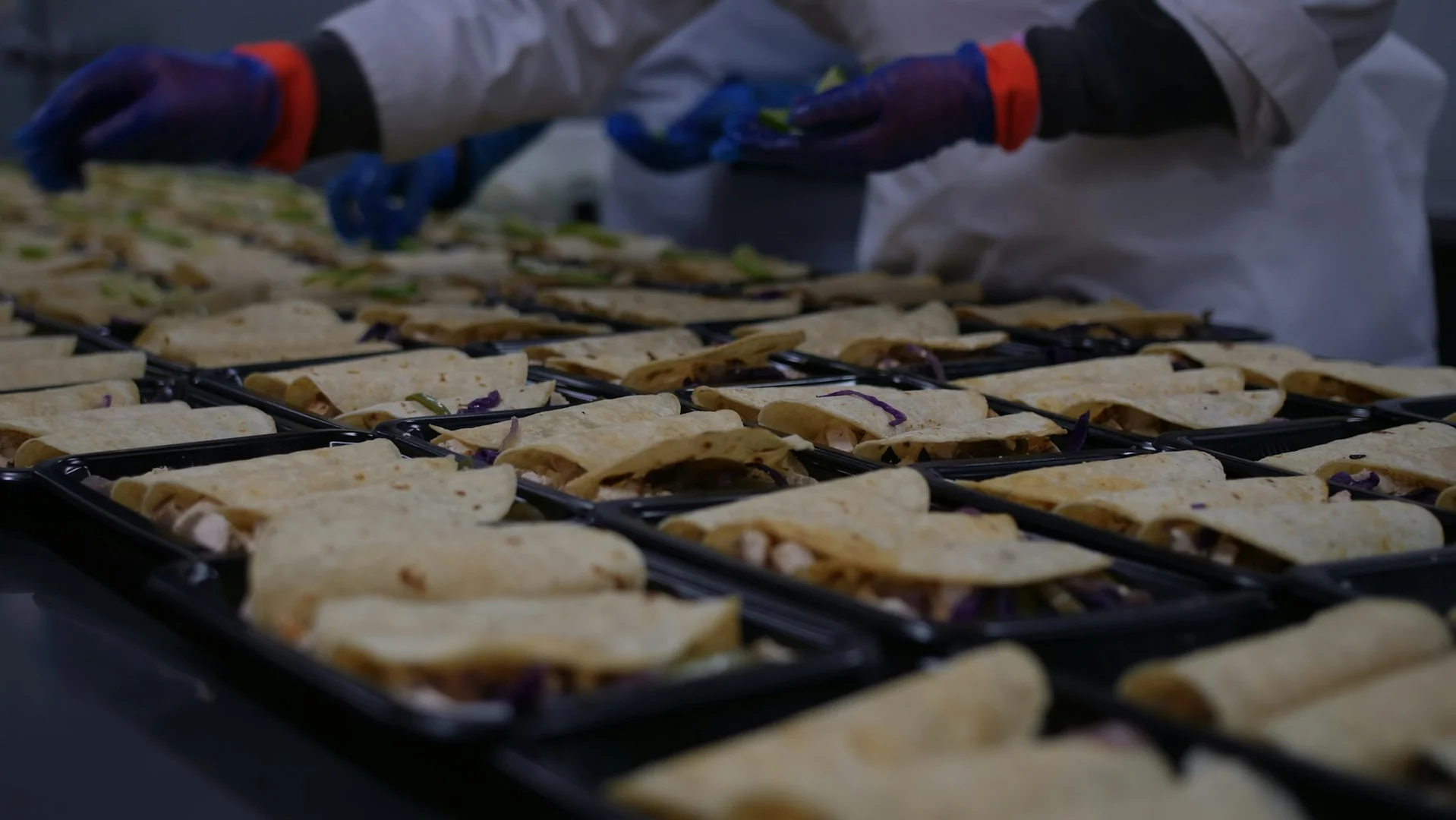
Production capacity for bulk orders
Packaging that keeps food warm and easy to distribute
Delivery timing aligned with school schedules
Clear cutoff times for orders and changes
Digital lunch platforms help streamline these logistics by consolidating orders, reducing last-minute changes, and providing accurate quantities before prep begins.

4. Why Digital Platforms Make School Partnerships Easier
Managing school orders manually can be time-consuming for vendors. Digital lunch ordering systems simplify the process by:
Centralizing all orders in one dashboard
Reducing back-and-forth communication
Providing advance order visibility
Minimizing payment handling and admin work
For restaurants, this means less paperwork and fewer surprises - allowing teams to focus on food quality and service instead of coordination tasks.
5. Benefits for Local Restaurants
Partnering with schools offers several advantages beyond immediate sales:
Consistent weekday revenue during slower lunch periods
Community visibility with families and school staff
Operational predictability through scheduled orders
Long-term relationships rather than one-off transactions
Many vendors find that school partnerships become a reliable part of their overall business mix.

6. Getting Started with School Partnerships
Restaurants interested in working with schools should start by:
Understanding local school needs and guidelines
Preparing clear menu options suitable for students
Ensuring operational readiness for bulk orders
Exploring digital platforms that connect vendors with schools
If you’re new to school lunch programs, learning how digital tools support schools and vendors can help you enter partnerships with confidence.
You may also find it helpful to read:
Managing School Lunch Programs More Efficiently with Digital Tools
How Hot Lunch Programs Support Sustainable School Fundraising
Looking to partner with schools and simplify lunch program operations?
LunchUp helps connect local restaurants with schools through easy, digital lunch ordering - making partnerships smoother for everyone.
Learn more about partnering with schools - Contact us today!
Ready to Transform Your School's Lunch Program?
Join thousands of schools already using LunchUp to provide healthy, convenient meals for their students.