


School lunch programs are no longer run solely in-house. Across Canada, schools and parent councils are increasingly partnering with local restaurants to deliver fresh, reliable meals - creating meaningful opportunities for vendors to expand their reach while supporting school communities.
If you’re a restaurant owner or food service provider interested in school partnerships, this guide walks you through how school lunch programs work, what schools are looking for, and how to build successful, long-term collaborations.
Why Schools Are Turning to Local Restaurants
Schools and councils manage many moving parts, from volunteers and menus to payments and safety requirements. Partnering with restaurants helps them:
Offer variety and consistent quality
Reduce volunteer workload
Ensure meals meet nutrition and allergy guidelines
Support local businesses in their community
For restaurants, these partnerships provide predictable orders, recurring revenue, and positive community visibility.

Step 1: Understand How School Lunch Programs Operate
Before reaching out, it’s important to understand the structure of school lunch programs:
Most are run by school councils or parent councils
Orders are typically pre-paid and scheduled in advance
Meals must follow school nutrition and allergy policies
Delivery or pickup times are fixed and coordinated with school schedules
Tip: Reviewing how schools manage lunch programs can help you align your offerings.
Related reading: How Schools Can Simplify Lunch Program Management
Step 2: Design School-Friendly Menus
Schools prioritize meals that are:
Easy to distribute and eat
Consistent in portion size
Suitable for children across grade levels
Consider offering:
Nut-free or clearly labeled allergy-friendly options
Balanced meals with protein, grains, and vegetables
Simple packaging that minimizes waste and mess
Keeping menus streamlined makes it easier for schools to plan and for restaurants to scale.
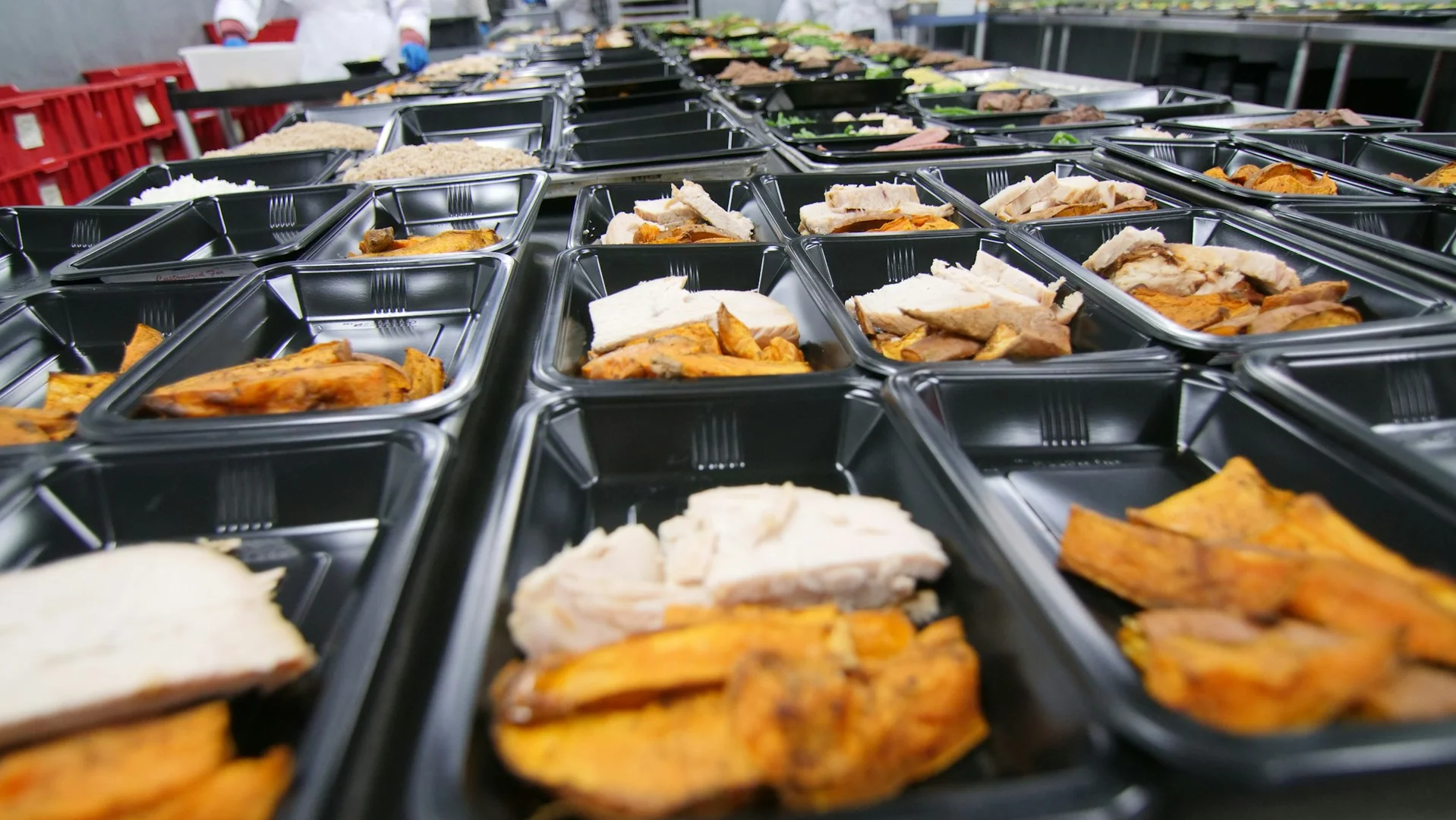
Step 3: Be Clear About Capacity and Logistics
Schools value reliability over complexity. Be upfront about:
Maximum order volume per lunch day
Cut-off times for order changes
Delivery windows or pickup coordination
Packaging and labeling practices
Clear expectations help build trust and reduce last-minute challenges.
Step 4: Communicate with School Councils Professionally
Most school partnerships start with a conversation. When reaching out:
Introduce your restaurant and relevant experience
Explain how you can support school needs
Highlight any experience with catering, bulk orders, or allergy awareness
Be flexible and open to feedback
Councils often look for vendors who feel like partners, not just suppliers.

Step 5: Use Digital Platforms to Simplify Ordering
Many schools now rely on online lunch ordering platforms to manage:
Orders and payments
Menu scheduling
Parent communication
Reporting and reconciliation
Partnering with schools that use platforms like LunchUp can significantly reduce admin work for both sides and help ensure smooth operations.
Learn more about LunchUp School Lunch Program.
Step 6: Build Long-Term, Community-Focused Partnerships
The most successful restaurant–school partnerships go beyond a single lunch day. Consider:
Seasonal menu rotations
Special event lunches
Supporting school fundraising goals
Highlighting the partnership on social media
Strong relationships lead to repeat opportunities and positive word-of-mouth within school communities.
Final Thoughts
Partnering with schools allows restaurants to grow their business while making a real impact locally. By understanding school needs, offering thoughtful menus, and communicating clearly, restaurants can become trusted partners in school lunch programs.
Interested in partnering with schools more easily?
Discover how LunchUp helps restaurants connect with schools, manage orders, and build lasting community partnerships.
Ready to Transform Your School's Lunch Program?
Join thousands of schools already using LunchUp to provide healthy, convenient meals for their students.